

Verifying the Quality of Core Components
Core components directly determine the equipment's performance limits and service life; evaluating them is the first step in assessing quality.
Laser Source: Confirm that the rating refers to continuous output powerrather than peak power. Prioritize mainstream brands; their core components offer a lifespan of up to 100,000 hours, stable photoelectric conversion efficiency of around 30%, and lower energy consumption during long-term operation.
Cutting Head: Focus on the water-cooling structure and dust-proof sealing rating. Inferior products are prone to the "thermal lens effect"-where the focal point shifts after hours of continuous operation-leading to issues like slag adhesion or incomplete cuts.
Transmission and Electrical Components: Examine the brands and build quality of the gear racks, guide rails, and servo motors. Low-quality parts are prone to rusting and excessive backlash, quickly leading to jerky movement and loss of precision.
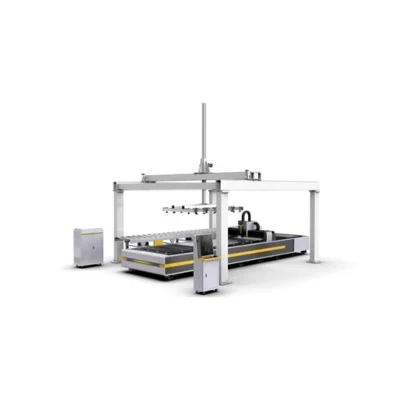
In-depth Assessment of the Machine Bed
The machine bed serves as the equipment's skeleton; 80% of long-term precision loss stems from bed deformation, making this the area where low-cost models most frequently cut corners.
Confirm that the welded bed has undergone **heat treatment in a 600°C annealing furnace**-rather than relying solely on simple vibration aging-to fully eliminate residual welding stress.
High-quality manufacturing processes also include prolonged natural aging to ensure the equipment maintains stable precision for over a decade, preventing warping or deformation after just six months of use.
Check the thickness of the steel plates used for the bed; excessively thin outer plating results in insufficient rigidity, making weld seams prone to cracking under long-term high-speed movement and directly compromising the machine's overall lifespan.