Classified by Technical Architecture
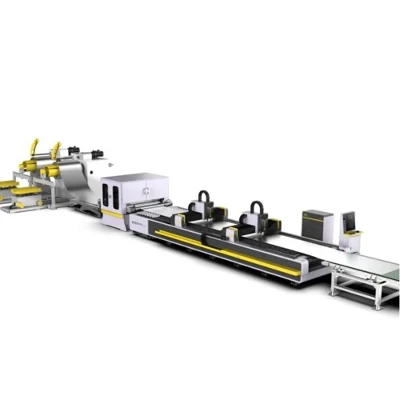
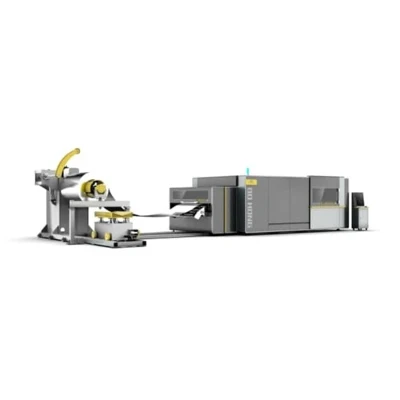
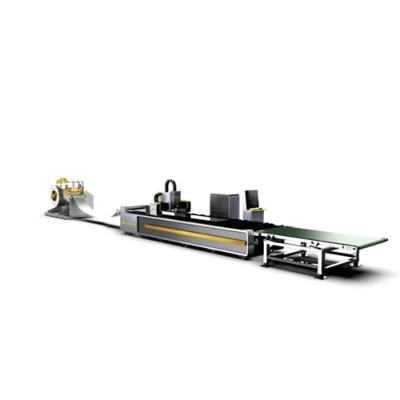
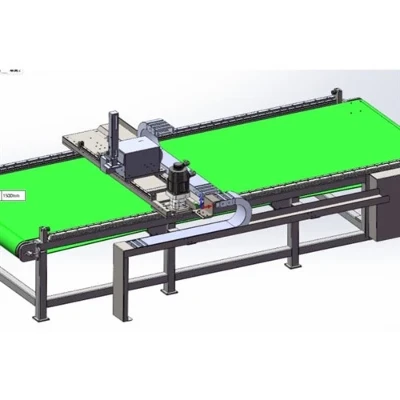
Rigid Fully Automated Production Lines: Designed for single, ultra-high-volume products with fixed process logic and mechanical structures. They offer rapid cycle times, high stability, and short payback periods, making them suitable for long-lifecycle products such as standard fasteners, bottled beverages, and automotive components.
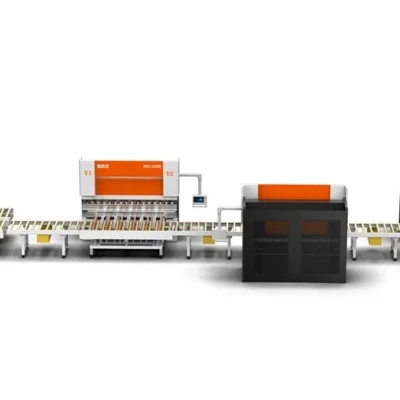
Flexible Modular Fully Automated Production Lines: The mainstream solution in modern manufacturing. Workstations, tooling, and programs allow for rapid switching; "one-click" changeovers enable compatibility with multiple product specifications. Balancing efficiency and flexibility, they suit industries with fast product iteration cycles, such as 3C electronics, small home appliances, and new energy vehicle components.
Intelligent Digital Twin Fully Automated Production Lines: A top-tier Industry 4.0 solution integrating AI, digital twin, and IoT technologies. Capable of autonomous error correction, real-time capacity optimization, and full data traceability, they are ideal for complex, precision-intensive scenarios like semiconductor manufacturing, power battery production, and high-end medical consumables.
Classified by Upgrade Path
Step-by-Step Single-Machine Upgrade: Targets bottleneck processes first by automating specific steps like loading/unloading, inspection, and fastening. With controllable investment and easily verifiable phased returns, this approach suits factories with limited budgets looking to implement automation incrementally.
Multi-Process Flexible Line Integration: Centered on modular workstation combinations, this solution synchronizes cycle times across assembly, testing, and packaging. It supports workstation expansion and dynamic capacity adjustment, making it suitable for production environments involving diverse product models and frequent changeovers.
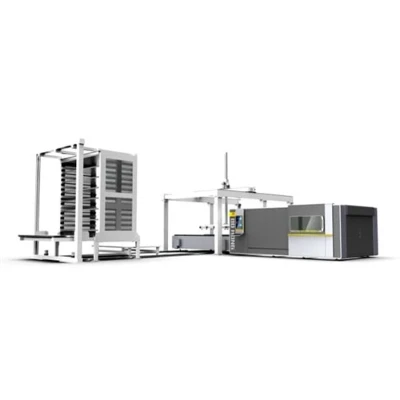
Integrated Warehouse & Logistics Upgrade: Built around automated storage and retrieval systems (AS/RS), RGVs/AMRs, and WMS/WCS software. It addresses material inbound/outbound, line-side delivery, and inventory visibility, creating a seamless material flow link between the production line and the warehouse.
Low-Budget Phased Implementation: Starts with a pilot line, a critical process, or a single logistics node. Success is validated before gradual replication and expansion. With low trial-and-error costs, this is ideal for small and medium-sized manufacturing enterprises implementing automation for the first time.