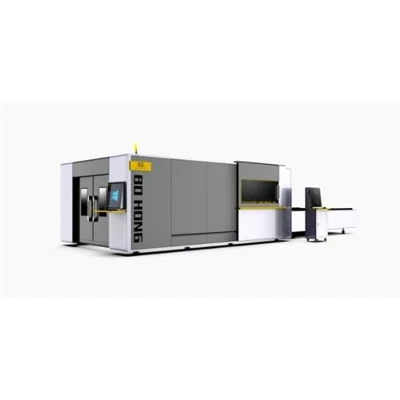
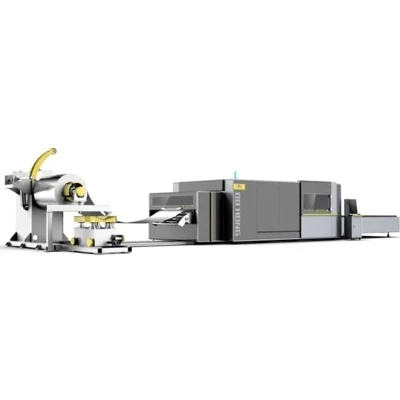
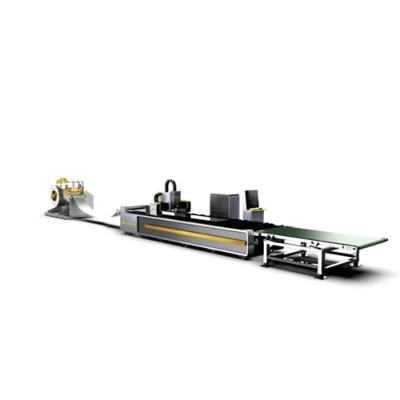
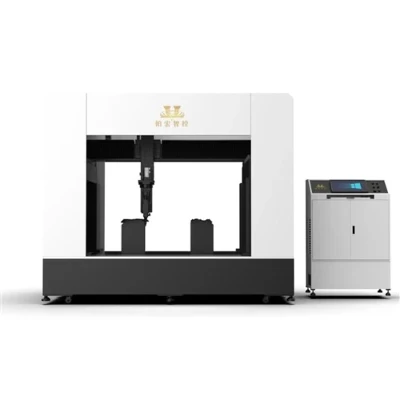
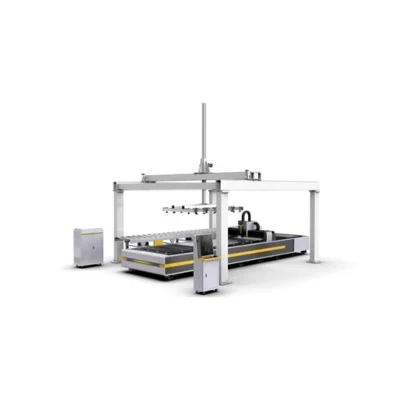
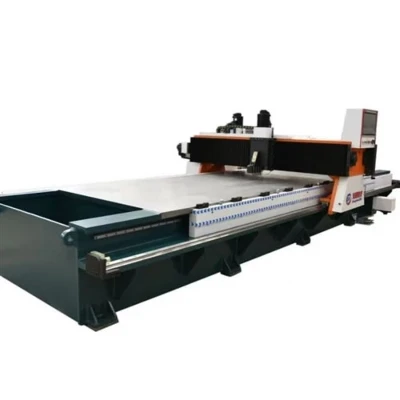
Define Core Capacity Targets: Use a formula to reverse-calculate the takt time per product: Single-shift capacity = (Effective shift time ÷ Takt time per product) × Equipment utilization rate (industry standard is 85%–90%). All subsequent designs revolve around this timeline to avoid setting capacity targets based on guesswork.
Conduct PQ/PR Analysis: Use a Product-Quantity (PQ) chart to determine whether the model is "high-volume, low-variety" or "low-volume, high-variety." Then, break down the entire process flow, noting standard times, precision requirements, and quality standards for each step; consolidate redundant processes and split bottleneck processes.
Master the Full Manufacturing Process:Organize discussions among process engineering, production, and design teams to clarify material characteristics, loading/unloading logic, and defect control standards. Create a complete process flow chart before planning the line layout to prevent integration gaps between robotic and manual workstations.
Line Layout and Structural Design
Layout directly determines material flow efficiency; the core design follows three principles: "unidirectional flow," "separation of humans and machines," and "provision for future expansion."
Select the Right Line Type:
Accumulating chain conveyor: Suitable for in-line assembly of complete units; eliminates the need for repeated workpiece handling.
Belt conveyor: Cost-effective; suitable for lightweight, small parts and cable processing.
Slat/Pallet conveyor: High load-bearing capacity; suitable for final assembly of heavy units.
U-shaped Lean Pipe line: Flexible assembly/disassembly; suitable for small-batch, flexible production.
Optimize Workshop Spatial Layout: Plan the line path based on factory dimensions; designate areas for workstations, materials, inspection stations, and walkways to minimize material travel distance. Prioritize independent single-line layouts (small footprint) or back-to-back dual-line layouts (cost savings) to avoid material flow congestion.
Reserve 10%–15% Capacity for Expansion: Use standardized designs for all interfaces so that adding processes or changing product specifications later does not require major line overhauls, thereby accommodating the enterprise's long-term capacity growth needs.