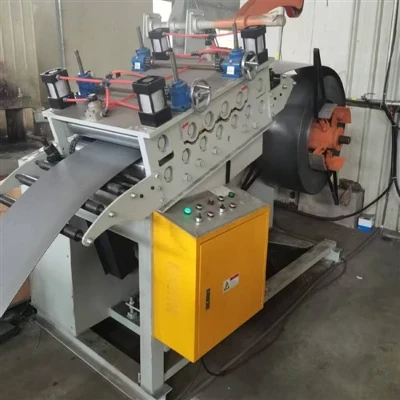
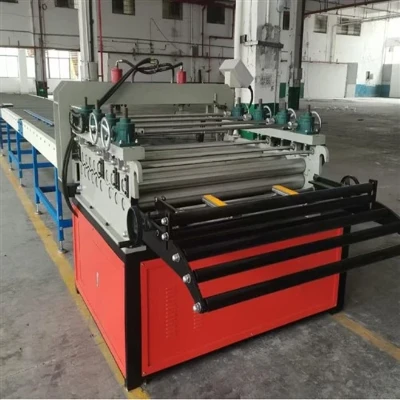
Automated Material Flow and Process Integration
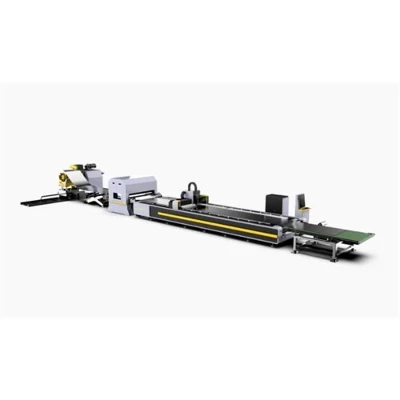
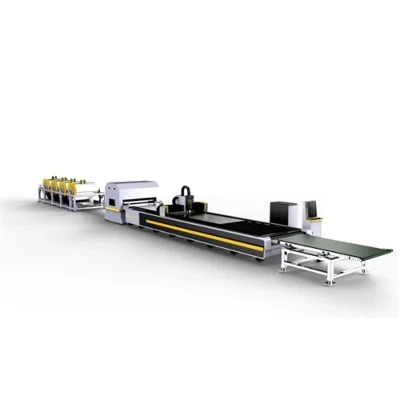
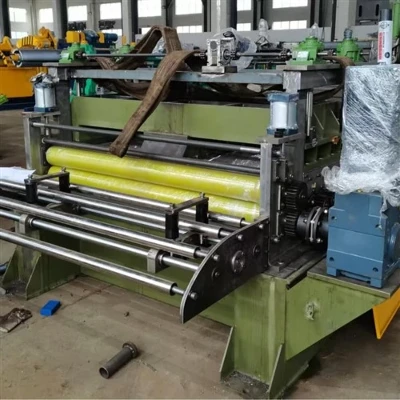
End-to-End Automated Transport: Utilizes conveyor systems-such as belt, roller, or chain conveyors-to automate material movement between workstations, eliminating the need for manual handling and significantly reducing process wait times.
Synergistic Integration of Discrete Processes: Integrates separate tasks (e.g., case erecting, assembly, welding, and sealing) into a continuous production line; a sensor network ensures the output of one process precisely triggers the start of the next, establishing a stable and uniform production cadence.
Adaptability to Diverse Transport Scenarios: Supports features such as variable-speed linear movement, curved routing, and clean-room transport, meeting the material handling requirements of industries ranging from food processing and hardware manufacturing to electronics.
Automated Production Execution and Precision Control
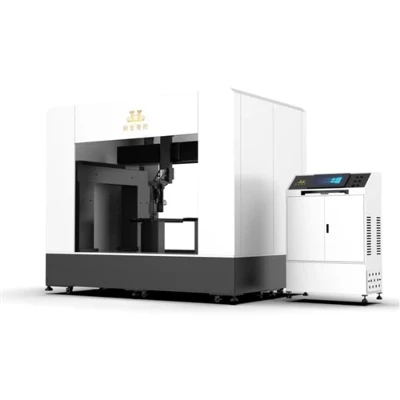
Unmanned End-to-End Operations: Integrates modules for automatic feeding, vision-based positioning, assembly, ultrasonic welding, and press-fitting to automate repetitive and labor-intensive production tasks.
Centralized Logic Scheduling: Centered on a Programmable Logic Controller (PLC), the system processes real-time sensor signals and executes preset programs to precisely coordinate motors, pneumatic cylinders, and industrial robots, enabling global timing control across the entire production line.
Standardized Process Implementation: Converts proven production techniques into digitized equipment actions; all stages operate according to uniform parameters, eliminating inconsistencies or errors caused by variations in manual skill levels and ensuring product uniformity.