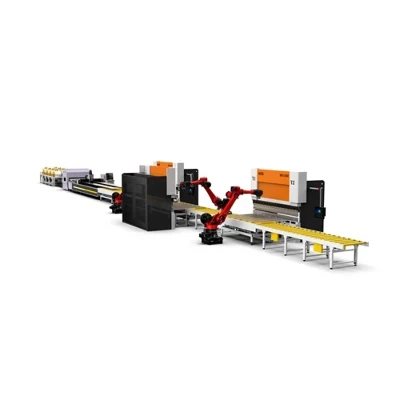
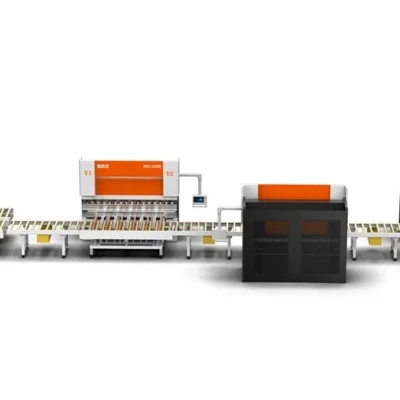
What Are the Advantages of Flexible Modular Production Lines?
The core advantages of flexible modular production lines lie in three key areas: flexible adaptability, cost reduction with efficiency gains, and long-term reusability. They effectively resolve the pain points associated with traditional rigid production lines-such as difficult product changeovers, low utilization rates, and high modification costs-making them a crucial upgrade for manufacturers adopting "high-mix, low-volume" production models.
Rapid Changeover in Minutes, Drastically Reducing Downtime Losses
Switching product models on traditional rigid lines requires custom-making jigs, debugging equipment programs, and calibrating production parameters; this process can take 4 to 48 hours, severely delaying production schedules.
In contrast, flexible modular lines utilize standardized quick-release tooling and pre-stored program systems. Production processes can be switched with a single click in just 15 minutes-boosting changeover efficiency by over 70% and significantly minimizing production capacity losses caused by equipment downtime.
Exceptional Product Compatibility, Handling Multiple Categories on a Single Line
A single flexible modular line can reliably handle mixed-model production for 8–15 products of varying specifications and structures-ranging from tiny precision components and irregularly shaped parts to plastic components and metal stampings. Overall equipment utilization rises from around 40% (typical of rigid lines) to over 90%, effectively eliminating the high costs associated with deploying multiple lines for diverse product categories.
Significantly Lower Modification Costs, Extended Equipment Lifecycle
When products evolve or processes are upgraded, there is no need to replace the entire production line; simply adding or swapping out specific functional modules suffices. This reduces secondary modification costs by over 50% and avoids redundant equipment investment.
While traditional equipment is often scrapped entirely once a product becomes obsolete, the core components of flexible modular lines can be reused long-term. By simply updating functional modules, the equipment's service life is extended by 3–5 years, and overall utilization increases by more than 60%.